Delaney Script: Where Hand-Brushed Charm Meets Digital Polish
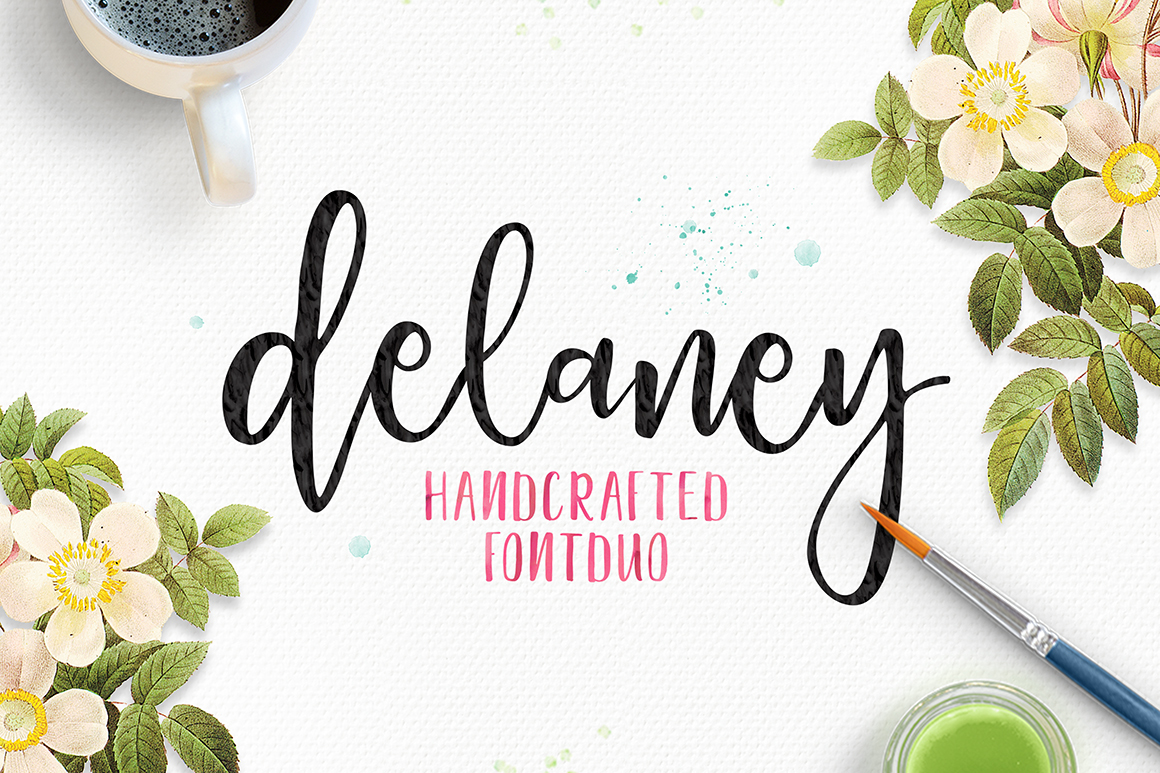
There’s a reason certain design elements feel instantly more human than others. In a landscape crowded with geometric precision and sterile vectors, a font like Delaney Script cuts through the noise. It isn’t just another typeface added to your library; it is a digital artifact born from physical motion. Created originally on paper using a hand-brush and ink, Delaney Script bridges the gap between raw artistic expression and the technical requirements of modern graphic design. For designers, entrepreneurs, and content creators, this script font offers a specific solution: the ability to inject warmth, personality, and authenticity into a project without sacrificing the scalability and clarity of digital typography.
The defining characteristic of this typeface is its flowing baseline. Unlike rigid, standardized fonts that sit on a strict horizontal axis, Delaney dances. The letters connect with a natural, irregular rhythm that mimics actual handwriting. This movement creates a sense of energy and spontaneity that static fonts simply cannot replicate. It feels less like a tool and more like a collaborator, adding a layer of emotion to the words it forms.
The Anatomy of a Modern Handwritten Font
When we talk about modern typography, we often look for the intersection of style and utility. Delaney Script fits perfectly into the category of a premium font because it solves a specific aesthetic problem: how to look "hand-done" without looking messy. The strokes have a confident weight to them, simulating the pressure of a brush tip, yet the digital refinement ensures that every curve is crisp. This is crucial for brand identity work. A brand that wants to appear approachable, artistic, or bespoke needs a typeface that reflects those values, but it also needs a typeface that works on a billboard or a favicon. Delaney strikes that balance.
It’s important to understand where a display font like this sits in the typographic hierarchy. You wouldn’t use Delaney Script for body text in a long-form article or a technical manual; that would destroy readability. Its strength lies in headlines, sub-headers, pull quotes, and logos. It is a creative font designed to grab attention and set a mood. When paired effectively—perhaps with a clean sans serif font for the body copy or a sturdy serif font for a vintage vibe—it creates a dynamic visual contrast that guides the reader’s eye naturally.
Strategic Applications: From Packaging to Social Media
The versatility of Delaney Script allows it to shine across various mediums, provided you understand the context of the medium. In packaging design, for example, this font excels. Imagine a coffee bag, a bottle of artisanal hot sauce, or a line of organic skincare. Consumers in the 20-50 demographic are increasingly drawn to products that feel authentic and small-batch. Using a handwritten font like Delaney on packaging signals that there is a human behind the product. It implies care and craftsmanship, which can significantly influence buying decisions.
For digital marketing and social media graphics, the font serves a different but equally important purpose. On platforms like Instagram or Pinterest, where content is consumed rapidly, a flowing, eye-catching script can stop the scroll. It works beautifully for quote graphics, story headers, and promotional banners. Because it was perfected digitally, it renders beautifully on screens of all resolutions, avoiding the pixelation issues that sometimes plague older handwritten typefaces.
Editorial design and web design also benefit from this typeface. In a magazine layout or a blog post, a large, brushed header in Delaney can break up the monotony of standard text. It adds a layer of sophistication and visual interest. For logo design, particularly for lifestyle brands, boutiques, cafes, or freelance creatives, the font provides a ready-made wordmark that feels custom. While I always recommend customizing letterforms for a unique logo, starting with a base as stylistic as Delaney gives you a massive head start.
Practical Implementation and Font Pairing Strategies
Choosing the right font pairing is where the real design work happens. A script font has a lot of personality, so it needs to be balanced by something more neutral. If you pair Delaney Script with another highly stylized font, the result will be chaotic and illegible. Instead, look for contrast in structure.
Consider pairing Delaney with a geometric sans serif font. The mathematical precision of the sans serif will highlight the organic, hand-brushed nature of Delaney. This is a classic combination for wedding invitations, lifestyle blogs, and fashion branding. Alternatively, pairing it with a traditional, elegant serif font can create a "modern vintage" aesthetic—think hipster branding, craft brewery logos, or high-end stationery.
When evaluating project fit, always test the font in context. Don't just look at the alphabet; type out the specific words you intend to use. Look at the kerning (the space between letters) and the ligatures (how specific letter pairs connect). A flowing baseline looks beautiful, but you need to ensure that specific letter combinations in your brand name don't overlap awkwardly. Readability is paramount. If your audience has to squint to read your header, the font has failed its job, no matter how pretty it is.
Commercial Use and Brand Consistency
For entrepreneurs and small business owners, the legal side of typography is just as important as the aesthetic side. When you acquire a commercial font like Delaney Script, you are purchasing a license that allows you to use it for profit-generating activities. This includes using it on your website, in your logo design, on merchandise, and in paid advertising. Always review the specific license details. Most premium licenses cover desktop and web use, but if you plan to embed the font in an app or use it on a massive number of print-on-demand products, you may need an extended license.
Using a consistent typeface across all your design assets builds brand recognition. When your Instagram stories, your website headers, and your business cards all utilize Delaney Script, you create a cohesive ecosystem. This consistency tells your audience that you are professional and detail-oriented. It reinforces your brand identity with every interaction.
Ultimately, Delaney Script is more than just a collection of vector points; it is a tool for communication. It allows you to speak to your audience with a voice that is warm, artistic, and distinctly human. Whether you are a designer working on a client’s packaging design or a blogger creating social media graphics, this font offers a reliable way to elevate your work and connect with your audience on a more personal level.